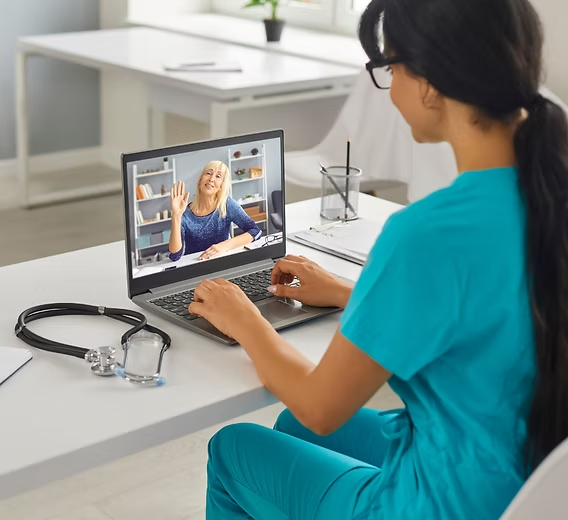
Telehealth has changed the way people access medical care. Instead of waiting weeks for an appointment or spending time in a waiting room, you can now speak with a licensed doctor from the comfort of your home. For many Americans, telehealth has become a faster, more convenient way to manage everyday health needs.
But what exactly is telehealth, and how does it work in the United States?
What Is Telehealth?
Telehealth is the delivery of healthcare services using digital communication tools such as video calls, phone calls, and secure online platforms. It allows patients to consult with doctors, receive medical advice, get prescriptions, and access referrals without visiting a physical clinic.
Telehealth is commonly used for:
-
Primary care consultations
-
Prescription renewals
-
Weight loss programs
-
Hair loss treatment
-
Medical certificates and documentation
-
Referrals for imaging and lab tests
-
Follow-up care and health advice
It is designed for non-emergency medical concerns that can be safely assessed without a physical examination.
How Does Telehealth Work?
The process is simple and user-friendly:
-
Book an appointment online
You choose a time that works for you and complete a short medical questionnaire.
-
Consult with a licensed doctor
Your appointment is conducted via secure video or phone call. The doctor reviews your history, listens to your concerns, and provides medical guidance.
-
Receive your care digitally
If appropriate, the doctor can:
-
Documents delivered electronically
Prescriptions, referrals, and certificates can be sent via secure systems, SMS, or email.
At EDOC Health USA, we focus on making this process smooth, safe, and accessible while maintaining professional medical standards.
Is Telehealth Legal and Regulated in the USA?
Yes. Telehealth is fully legal in the United States and is regulated at both federal and state levels. Doctors providing telehealth services must:
-
Hold valid medical licenses
-
Practice within their approved states
-
Follow strict clinical and ethical standards
Telehealth platforms must also comply with HIPAA (Health Insurance Portability and Accountability Act) regulations, which protect patient privacy and ensure secure handling of medical data.
What Are the Benefits of Telehealth?
Telehealth offers several advantages over traditional clinic visits:
Convenience
You can see a doctor from home, work, or while traveling, saving time and reducing stress.
Faster Access
Appointments are often available sooner than in-person visits.
Privacy
Telehealth provides discreet care, especially for sensitive health concerns.
Accessibility
It is ideal for people in rural areas, busy professionals, and anyone with limited mobility.
Cost Transparency
Many telehealth clinics operate on private billing, which offers clear, upfront pricing.
What Can Telehealth Treat?
Telehealth is well-suited for:
-
Common illnesses (cold, flu, infections, skin issues)
-
Ongoing medication management
-
Preventive care advice
-
Weight management programs
-
Hair loss treatment
-
General medical questions
However, telehealth is not appropriate for emergencies. If you experience chest pain, severe shortness of breath, major injuries, or other urgent symptoms, you should call 911 or visit the nearest emergency department.
What Are the Limitations of Telehealth?
While telehealth is highly effective, it does have limits:
-
No physical examination
-
Reliance on patient-provided information
-
Technology issues can occasionally interrupt visits
-
Some conditions require in-person testing
A responsible telehealth provider will always refer you to in-person care when necessary.
Why More Americans Are Choosing Telehealth
Telehealth fits modern lifestyles. People want healthcare that is:
-
Fast
-
Flexible
-
Private
-
Reliable
It removes many barriers that traditionally prevent people from seeking care early.
At EDOC Health USA, we believe telehealth should be simple, safe, and centered around real medical professionals. Our platform is designed to connect patients with licensed doctors who deliver quality care through secure and efficient digital consultations.
Telehealth is not a replacement for all in-person care, but it is a powerful tool for modern healthcare.
For many everyday health needs, it offers a smarter, faster way to stay well.
 Admin
Admin November 24, 2025